Research Articles
From Noise to Knowledge: Advanced Strategies for HIP Assay Noise Reduction and Data Fidelity
This article provides a comprehensive guide for researchers and drug discovery professionals on mitigating noise in High-Throughput Imaging Phenotypic (HIP) screens.
Beyond Benchmark Inflation: Resolving Train-Test Similarity in CASF for Reliable Binding Affinity Prediction
This article addresses the critical issue of train-test data leakage and dataset redundancy in protein-ligand binding affinity prediction, a problem that has severely inflated the reported performance of machine learning...
Navigating Protein Flexibility: Advanced Strategies for Accurate Binding Affinity Prediction
Accurately predicting protein-ligand binding affinity is a cornerstone of modern drug discovery, yet the inherent flexibility of protein binding sites presents a significant challenge.
Optimizing Sampling for Free Energy Calculations: Advanced Strategies for Drug Discovery
Accurate free energy calculations are crucial for predicting binding affinities in drug discovery but are often limited by inadequate sampling of conformational space.
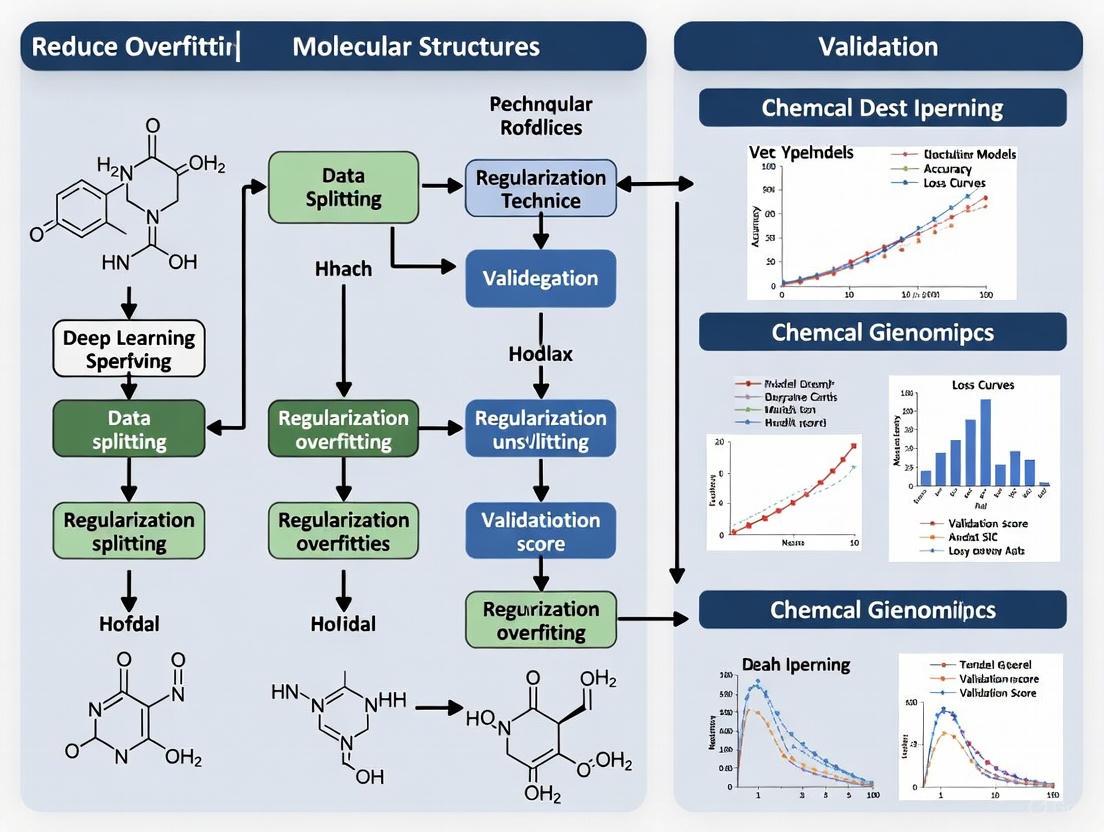
Beyond Memorization: Strategies to Combat Overfitting in Deep Learning Affinity Models for Drug Discovery
This article provides a comprehensive guide for researchers and drug development professionals on addressing the critical challenge of overfitting in deep learning models for binding affinity prediction.
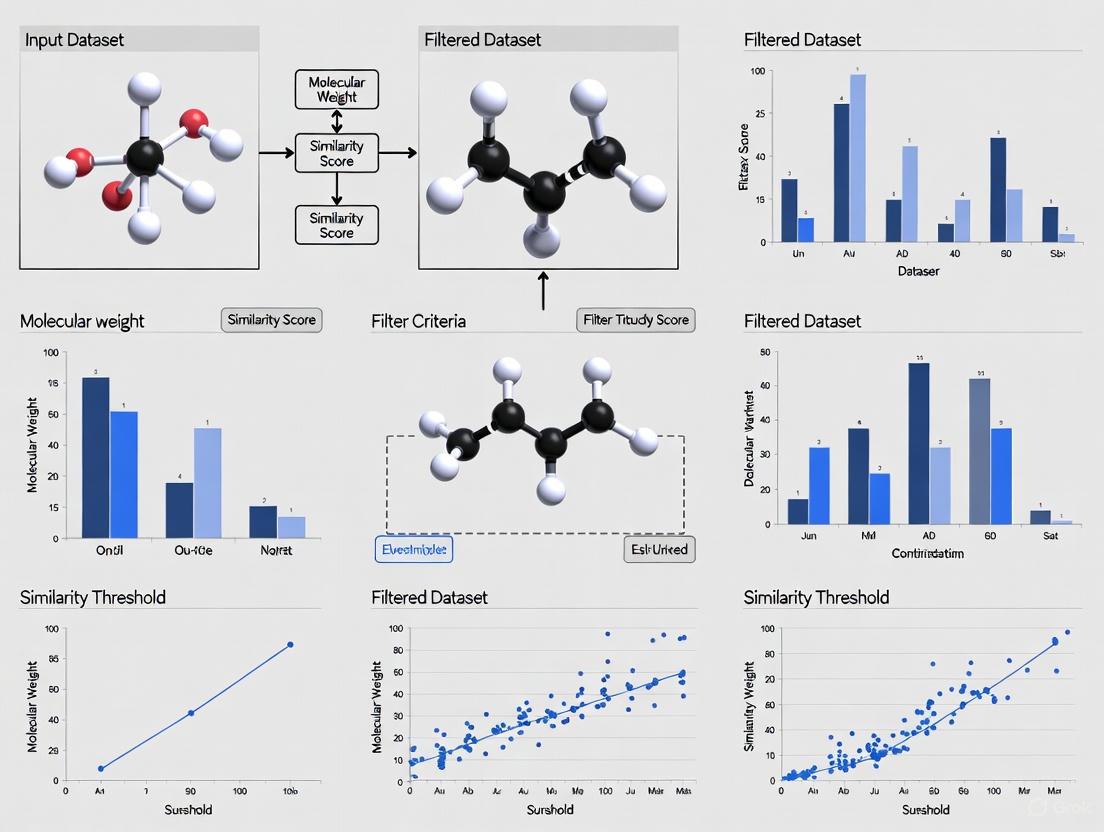
Structure-Based Filtering Algorithms for Drug Discovery: A Comprehensive Guide to Dataset Curation, Implementation, and Validation
This article provides a comprehensive guide to structure-based filtering algorithms for dataset curation in drug discovery.
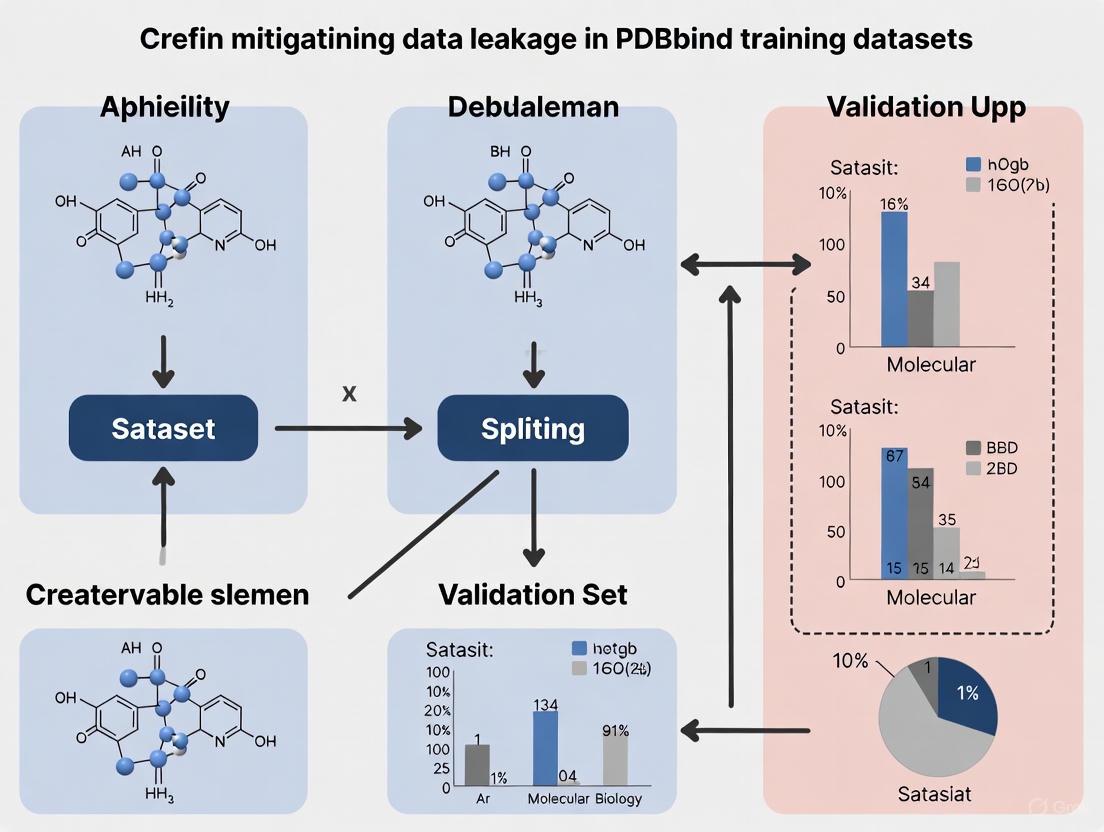
Solving the PDBbind Data Leakage Crisis: Strategies for Generalizable Binding Affinity Prediction
This article addresses the critical challenge of data leakage in PDBbind training datasets, which has been shown to severely inflate the performance metrics of machine learning models for protein-ligand binding...
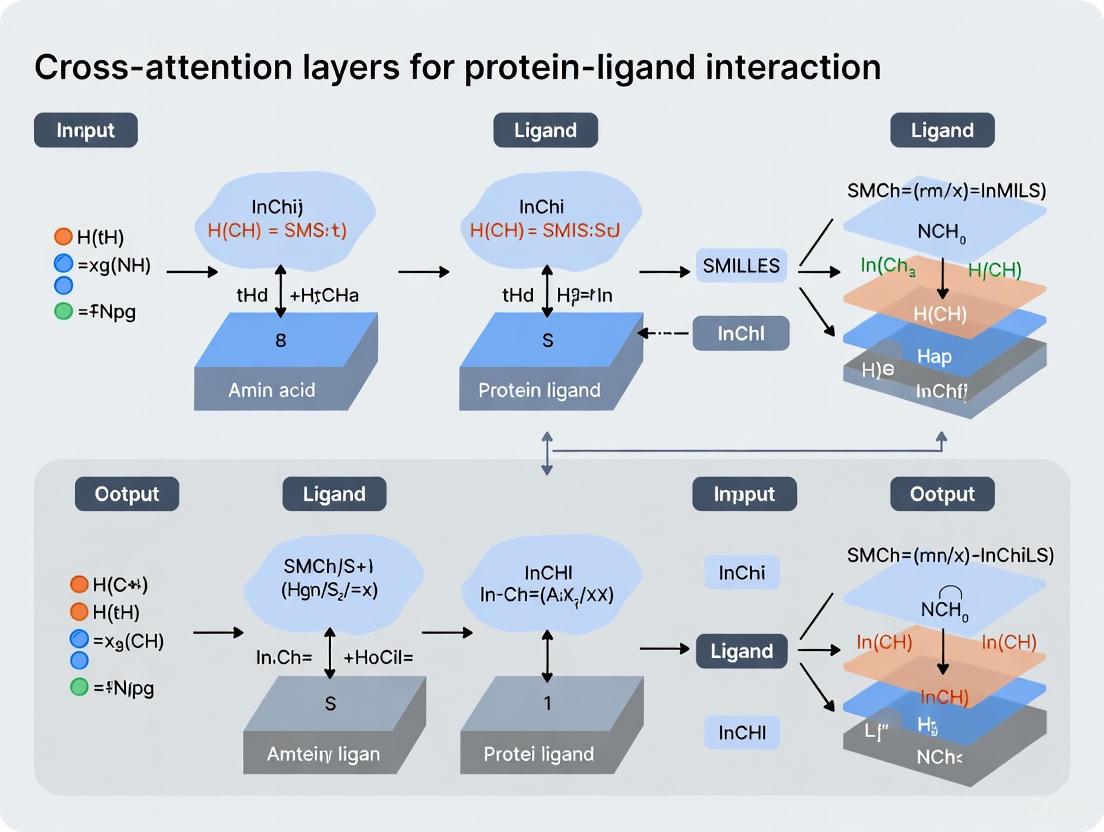
Cross-Attention in Protein-Ligand Interaction: A New Paradigm for AI-Driven Drug Discovery
This article explores the transformative impact of cross-attention mechanisms in predicting protein-ligand interactions, a cornerstone of modern drug discovery.
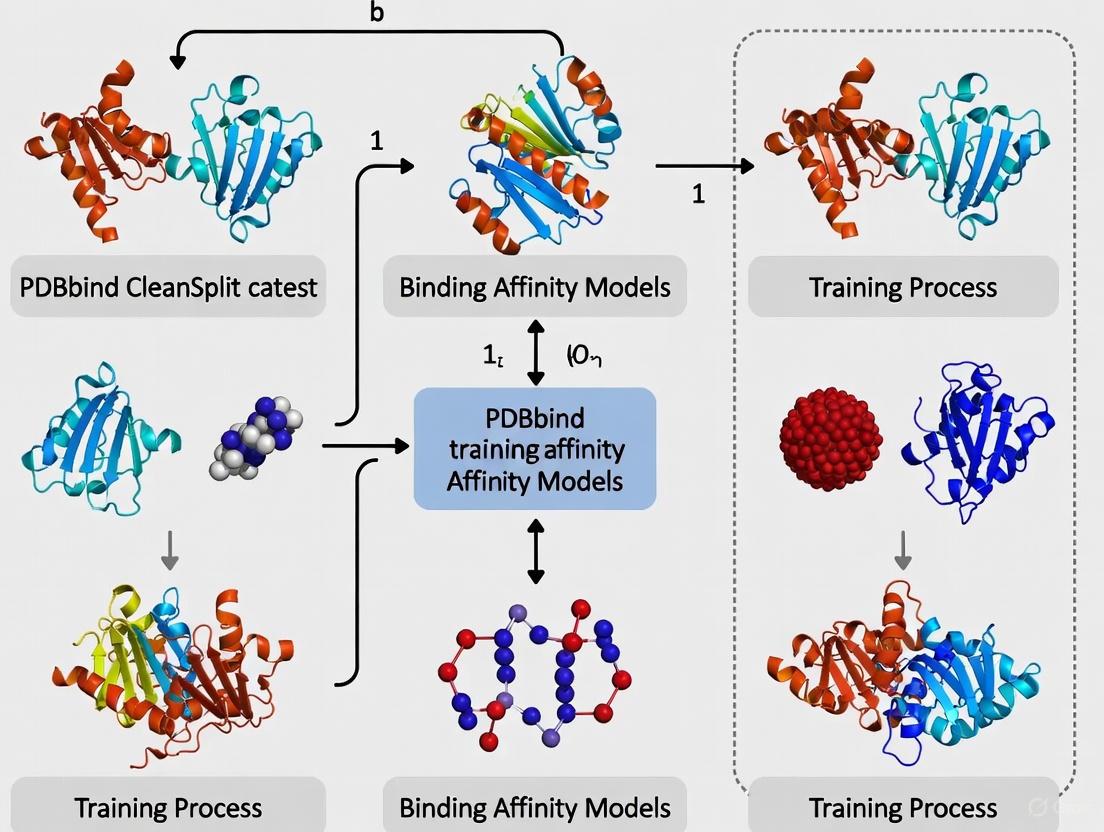
Beyond the Hype: A Practical Guide to Training Robust Binding Affinity Models with PDBbind CleanSplit
Accurately predicting protein-ligand binding affinity is a cornerstone of computational drug discovery, yet the field has been hampered by overstated model performance due to pervasive data leakage in standard benchmarks.
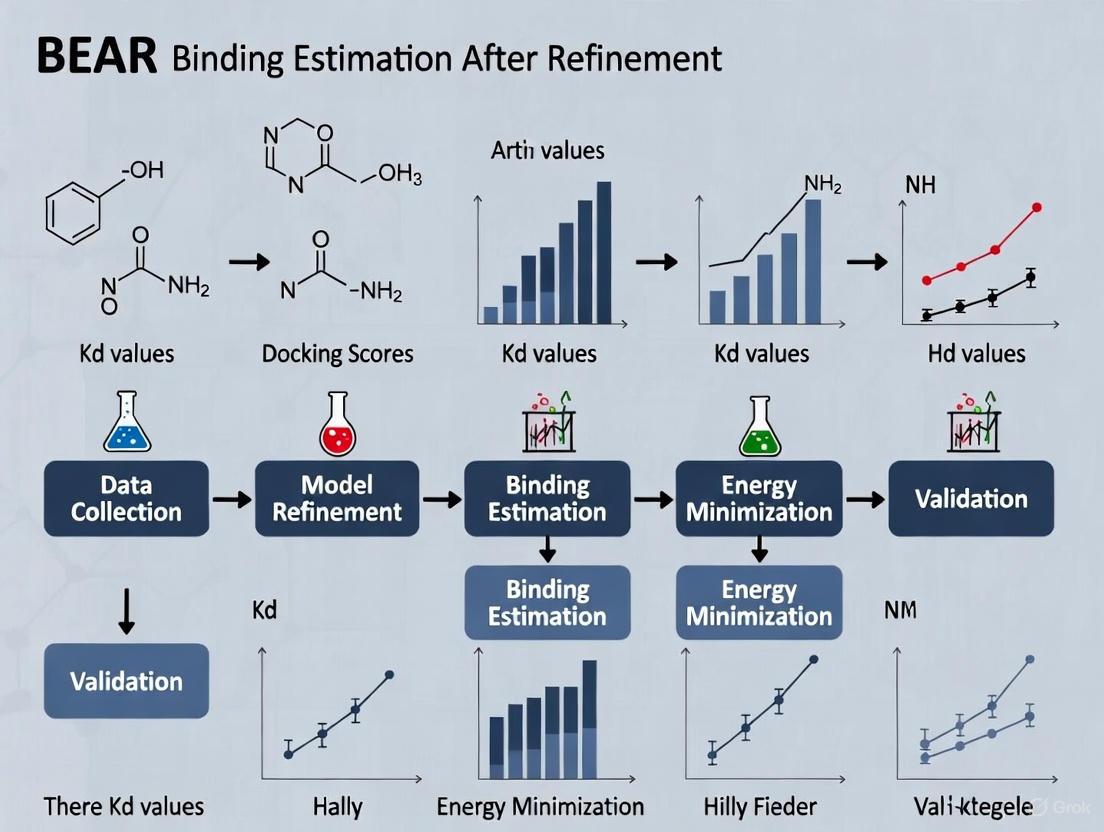
BEAR Methodology: Revolutionizing Virtual Screening in Drug Discovery with Refinement and Rescoring
This article provides a comprehensive overview of the Binding Estimation After Refinement (BEAR) methodology, an innovative automated procedure that overcomes critical limitations in molecular docking for virtual screening.