Research Articles
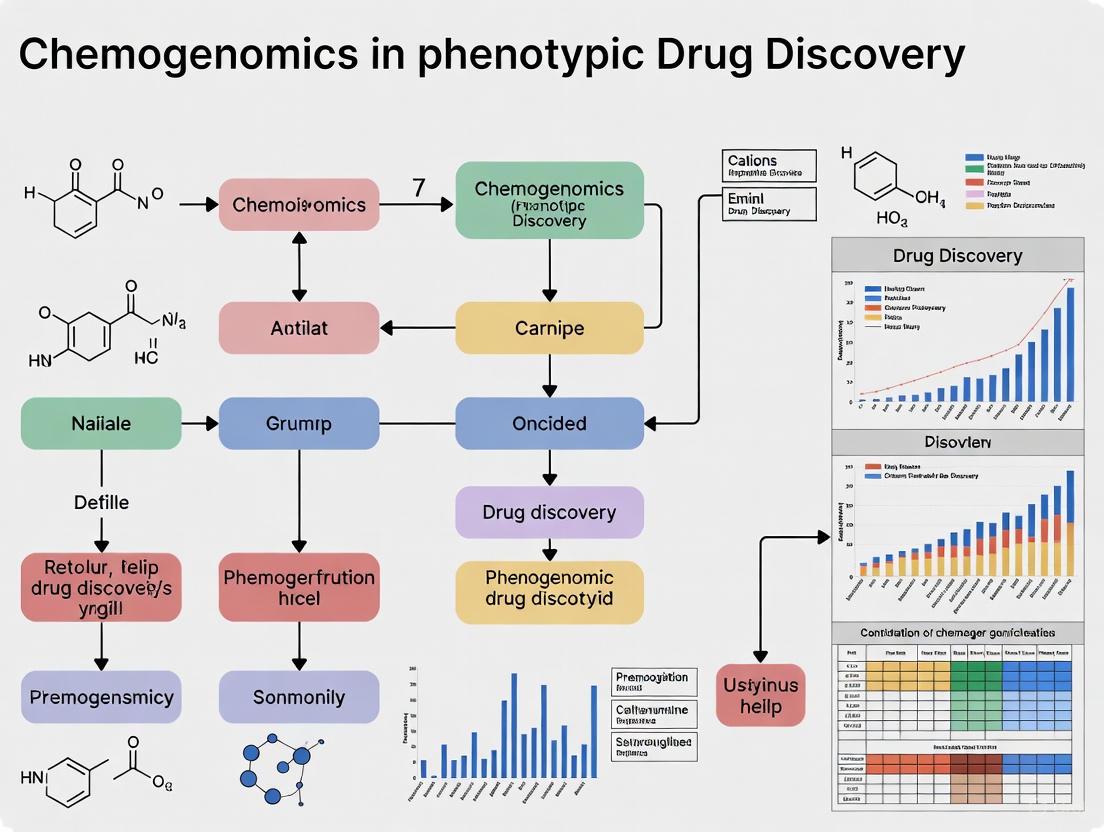
Chemogenomics in Phenotypic Drug Discovery: Bridging Biology and Chemistry for First-in-Class Therapies
This article explores the integral role of chemogenomics in modern phenotypic drug discovery (PDD), a biology-first approach responsible for a disproportionate number of first-in-class medicines.
Chemogenomic Compound Libraries: A Guide to Target Discovery and Phenotypic Screening
This article provides a comprehensive overview of chemogenomic compound libraries, which are curated collections of small molecules designed to systematically probe families of biological targets.
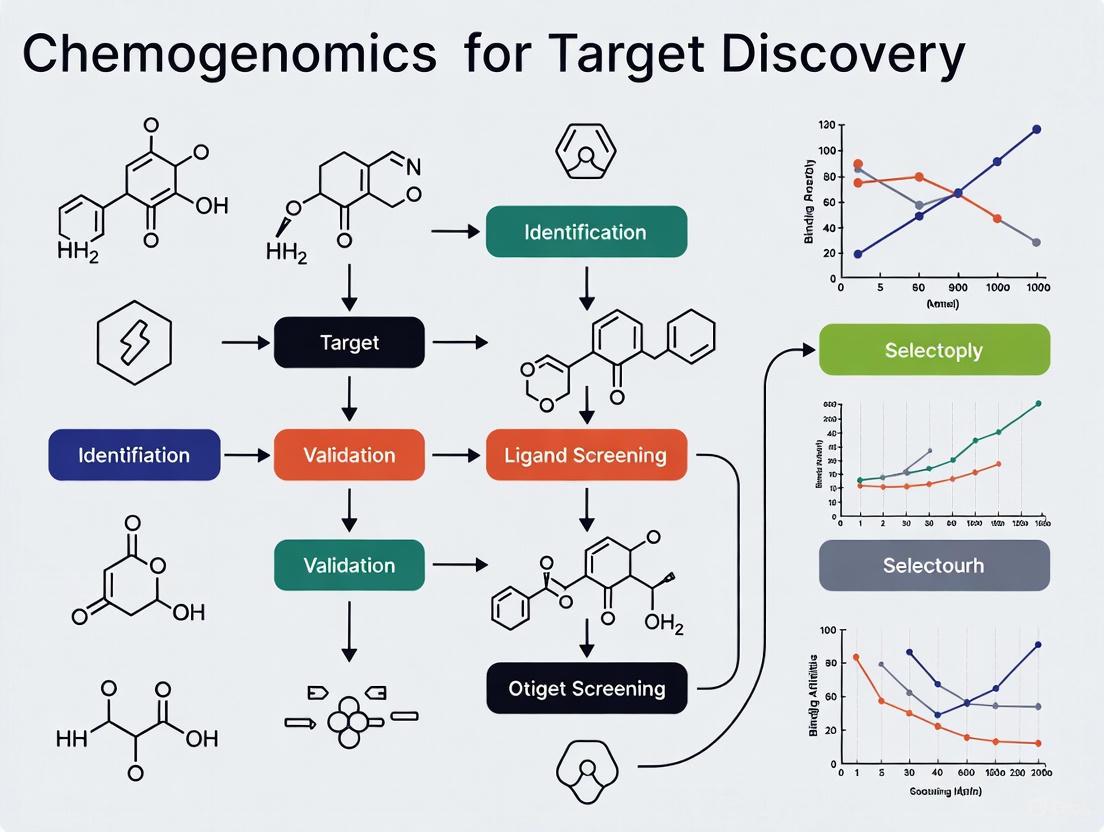
Chemogenomics: A Comprehensive Guide to Accelerating Target Discovery in Drug Development
This article provides a comprehensive overview of chemogenomics, an innovative strategy that integrates combinatorial chemistry, genomics, and proteomics to systematically identify and validate novel therapeutic targets and bioactive compounds.
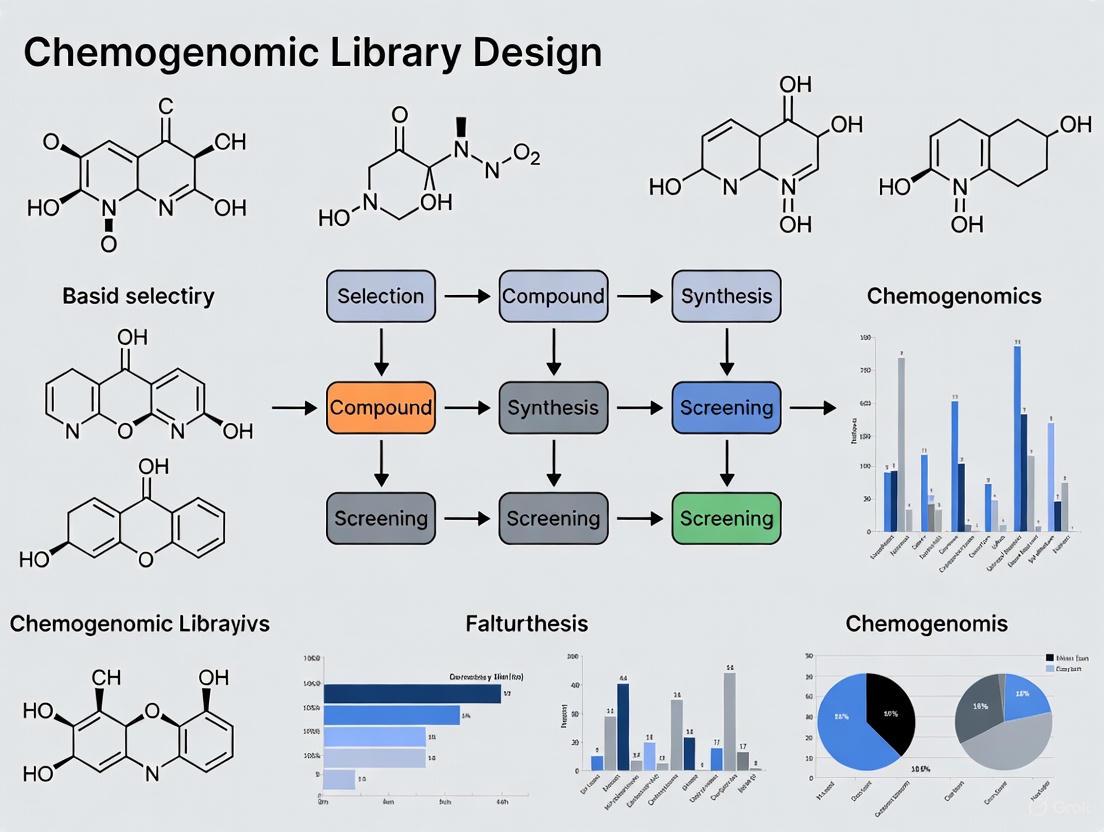
Strategic Chemogenomic Library Design: Principles, Applications, and Best Practices for Target Discovery
This article provides a comprehensive guide to the basic principles of chemogenomic library design for researchers, scientists, and drug development professionals.

Genetic vs Pharmacological Inhibition of Intrinsic Resistance: Mechanisms, Applications, and Clinical Translation
This article provides a comprehensive comparison of genetic and pharmacological strategies for targeting intrinsic resistance mechanisms in disease treatment.
Validating ECOFF Values and Intrinsic Resistance Breakpoints: A Comprehensive Guide for Antimicrobial Research and Drug Development
This article provides a comprehensive framework for researchers, scientists, and drug development professionals on the validation of Epidemiological Cut-off (ECOFF) values and intrinsic resistance breakpoints.
Intrinsic Resistance in ESKAPE Pathogens: A Comparative Analysis of Core Defense Mechanisms and Therapeutic Implications
This article provides a comprehensive comparative analysis of the intrinsic resistance mechanisms employed by ESKAPE pathogens—Enterococcus faecium, Staphylococcus aureus, Klebsiella pneumoniae, Acinetobacter baumannii, Pseudomonas aeruginosa, and Enterobacter species.
Comparative Efficacy of Efflux Pump Inhibitors: A Comprehensive Review for Rescuing Antibiotic Activity
Multidrug-resistant Gram-negative bacteria pose an urgent global health threat, with efflux pumps like AcrB playing a major role in antibiotic failure.
Decoding Bacterial Defenses: A Strategic Guide to Validating Intrinsic vs. Phenotypic Resistance
This article provides researchers, scientists, and drug development professionals with a comprehensive framework for distinguishing between intrinsic and phenotypic antimicrobial resistance (AMR).
Validating Efflux Pumps in Intrinsic Antibiotic Resistance: Mechanisms, Methods, and Therapeutic Implications
This article provides a comprehensive resource for researchers and drug development professionals on validating the role of multidrug efflux pumps in intrinsic antibiotic resistance.