Research Articles
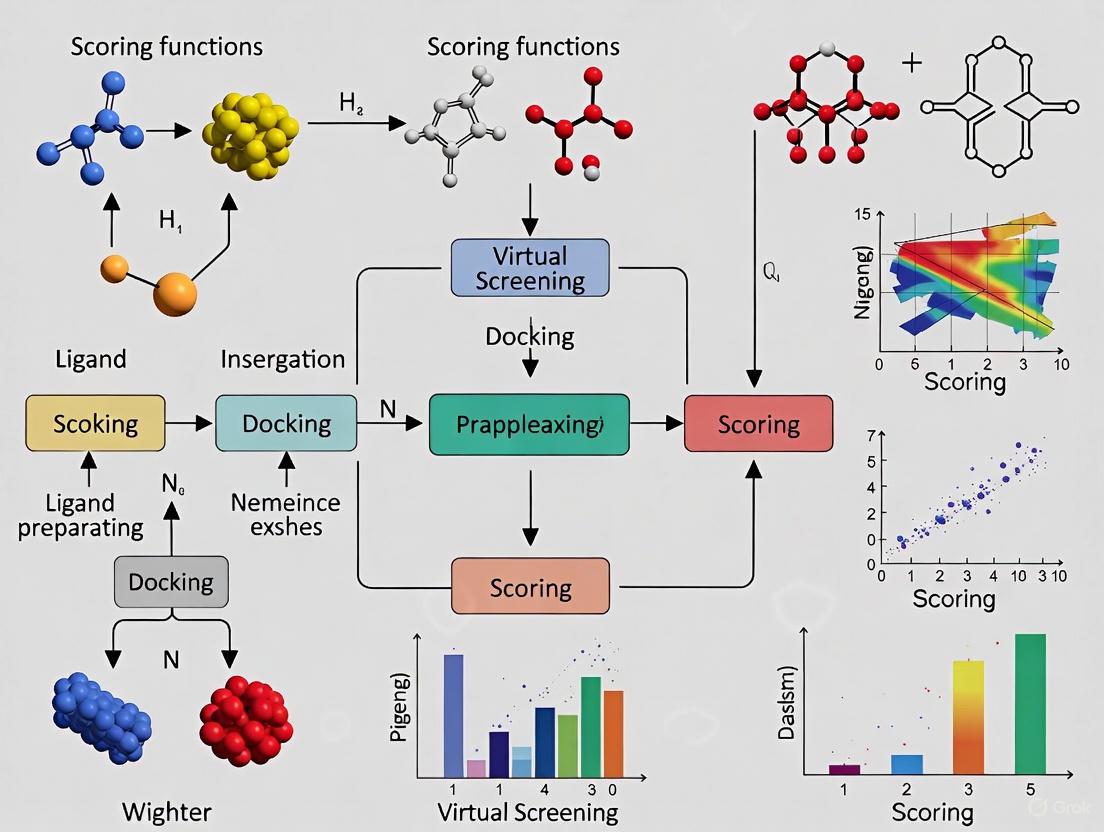
Scoring Functions in Virtual Screening: A Comprehensive Guide for Drug Discovery
Scoring functions are a critical, yet challenging, component of structure-based virtual screening (SBVS), directly impacting the success of modern drug discovery.
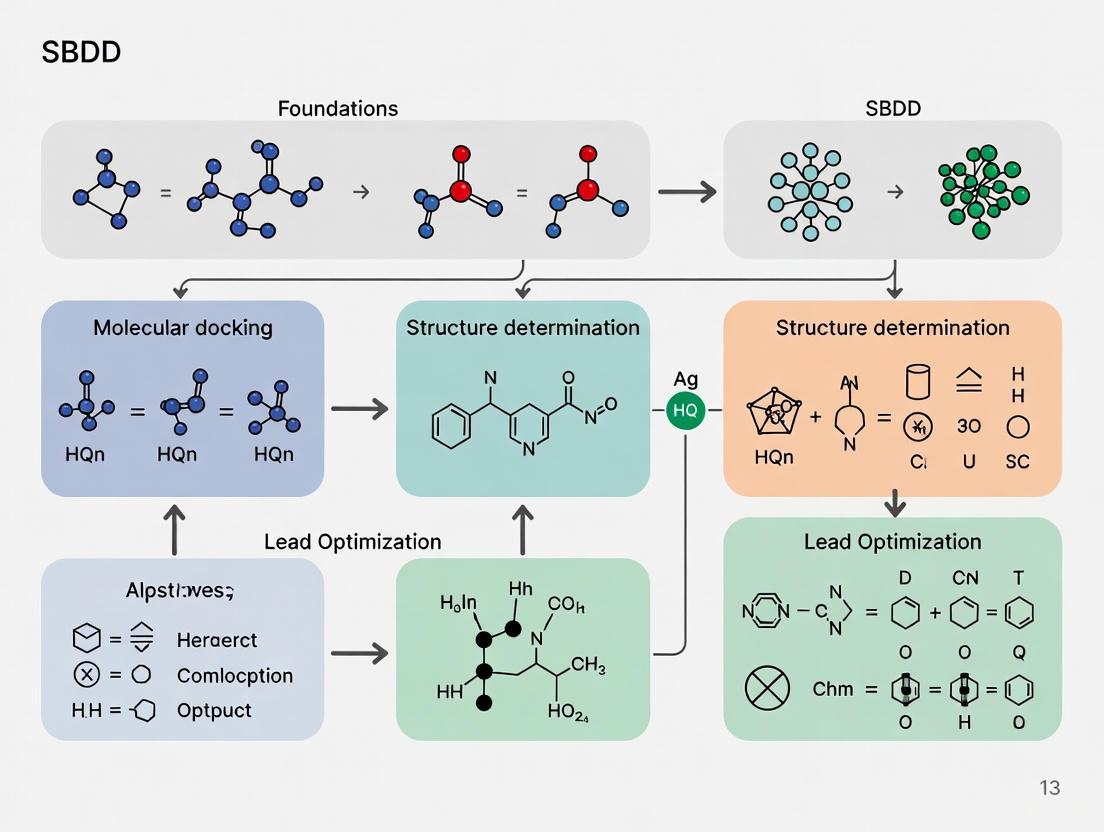
Structure-Based Drug Design: Foundations, Methods, and Future Directions in Computational Drug Discovery
This article provides a comprehensive overview of the foundations of Structure-Based Drug Design (SBDD), a pivotal computational approach in modern drug discovery.
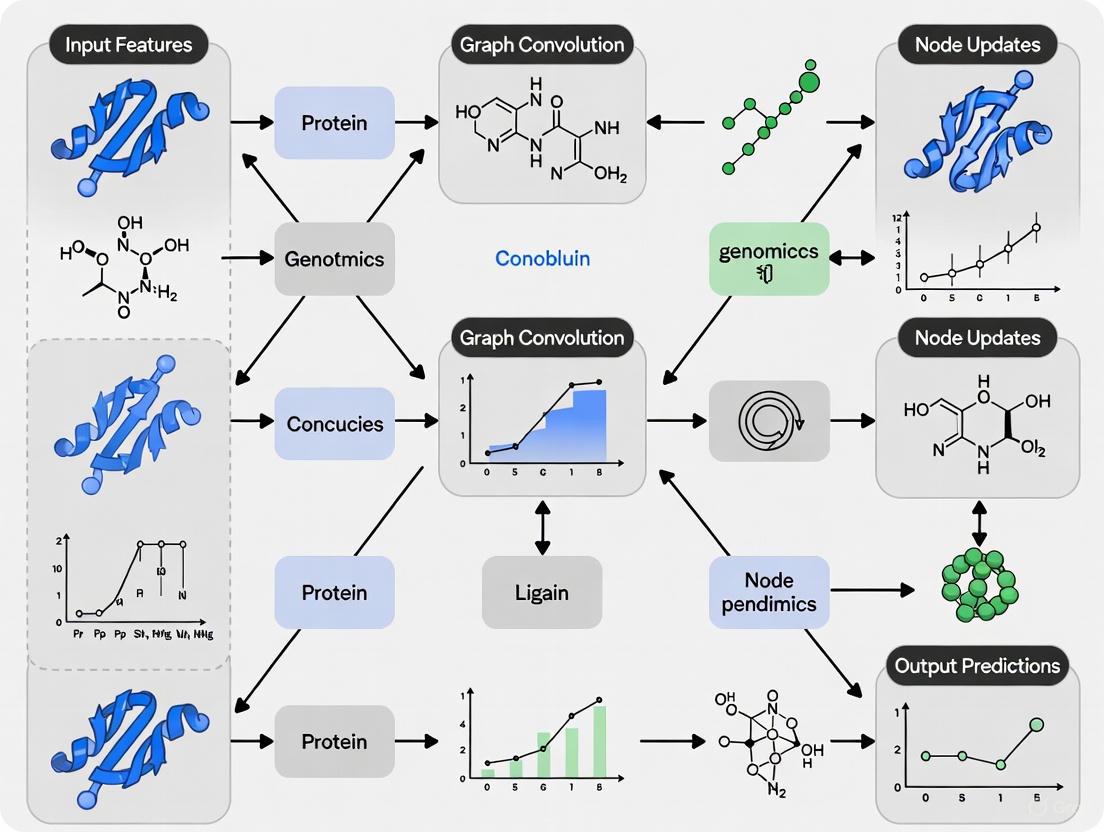
Graph Neural Networks for Protein-Ligand Interactions: From Foundations to Clinical Applications
This article provides a comprehensive exploration of Graph Neural Networks (GNNs) and their transformative role in predicting protein-ligand interactions, a critical task in modern drug discovery.
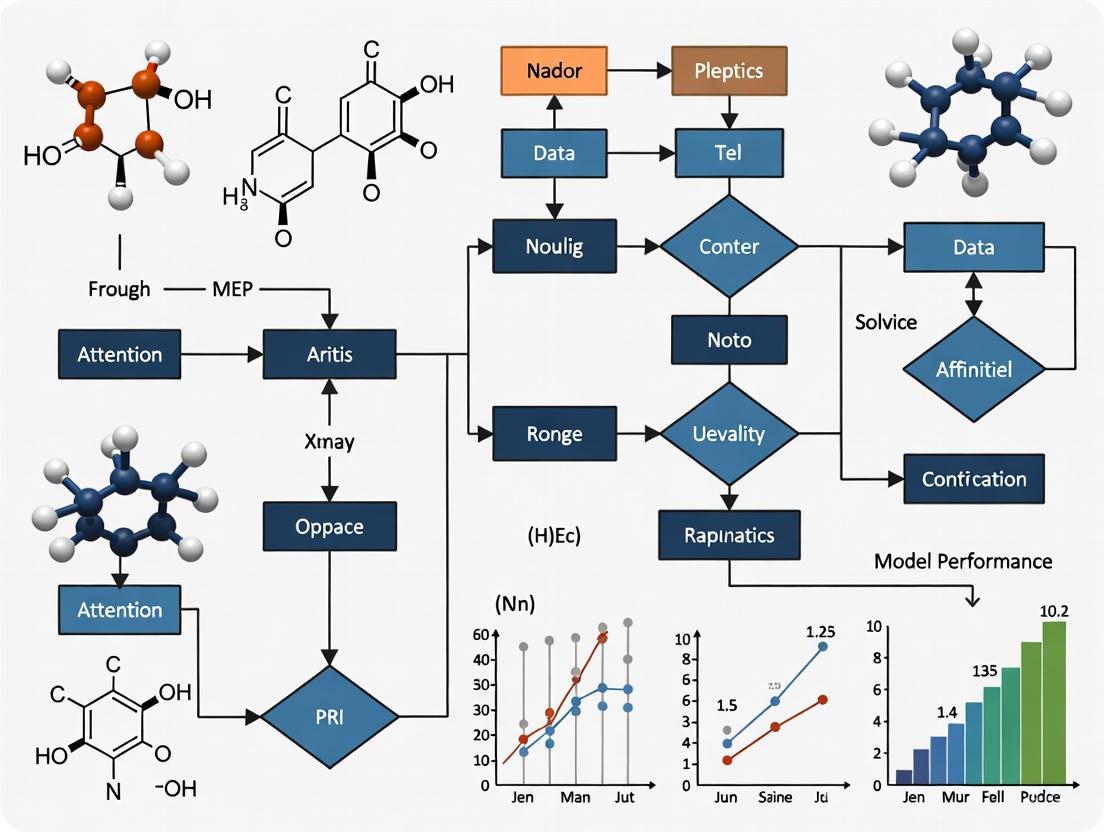
How Attention Mechanisms Revolutionize Binding Affinity Prediction in Drug Discovery
This article explores the transformative role of attention mechanisms in computational models for predicting drug-target binding affinity (DTA), a critical task in modern drug discovery.
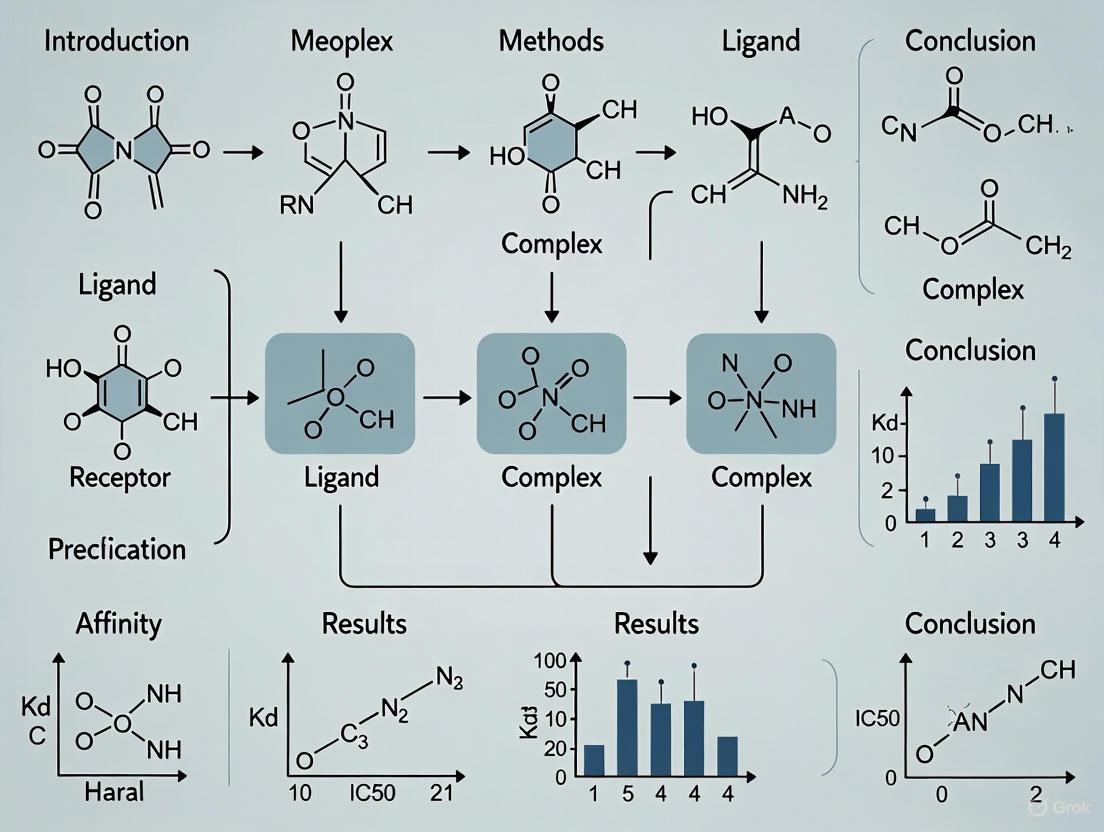
Binding Affinity Prediction: The AI Revolution in Drug Discovery
Accurate prediction of drug-target binding affinity is a cornerstone of modern computational drug discovery, enabling the rapid identification and optimization of therapeutic candidates.
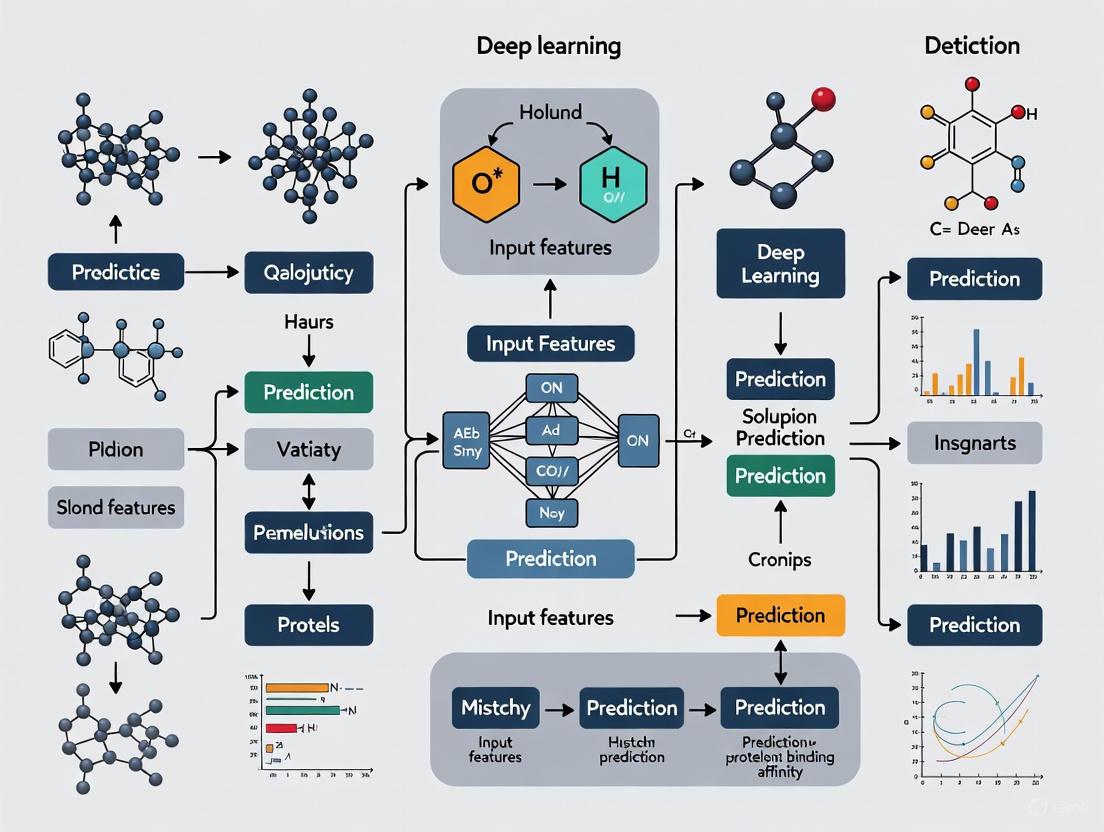
Deep Learning for Protein-Ligand Binding Affinity Prediction: A Comprehensive Guide for Drug Discovery
The prediction of protein-ligand binding affinity (PLA) is a cornerstone of modern drug discovery, crucial for identifying and optimizing potential therapeutic compounds.
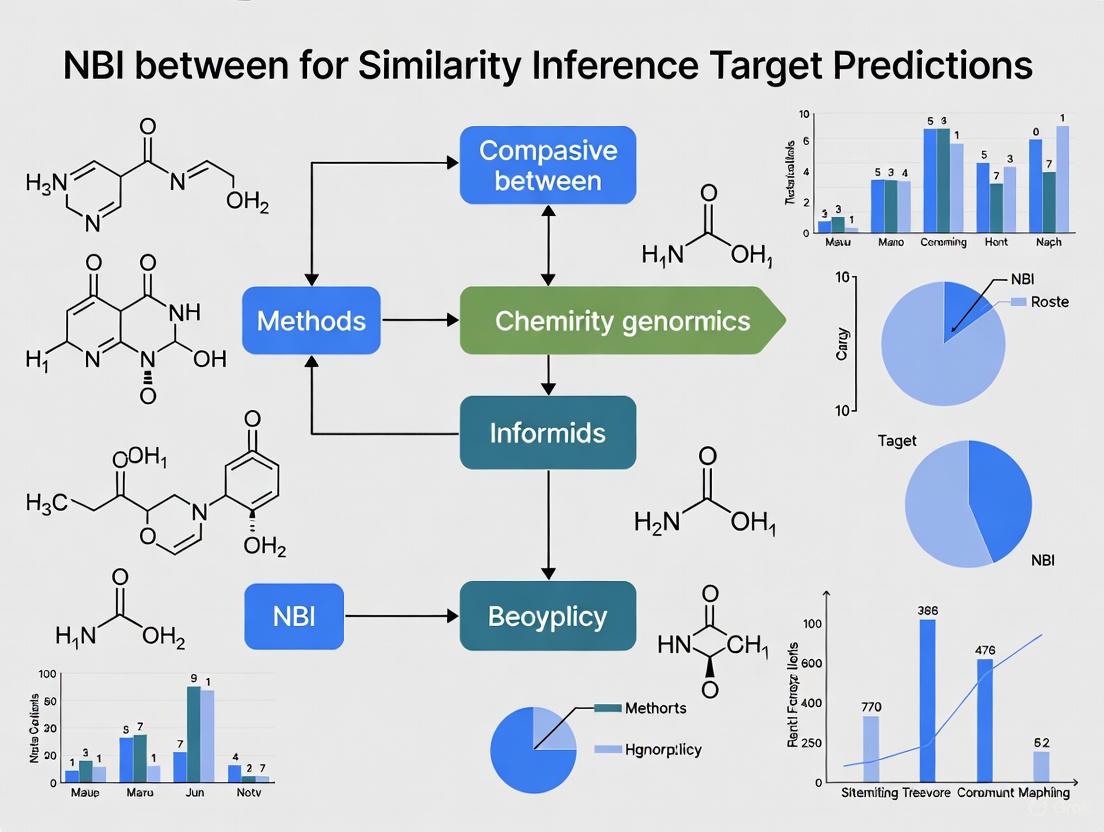
Network-Based Inference vs. Similarity Methods for Drug Target Prediction: A Comprehensive Comparative Analysis
This article provides a systematic comparison of Network-Based Inference (NBI) and Similarity Inference methods for predicting drug-target interactions (DTIs), a critical task in drug discovery and repurposing.
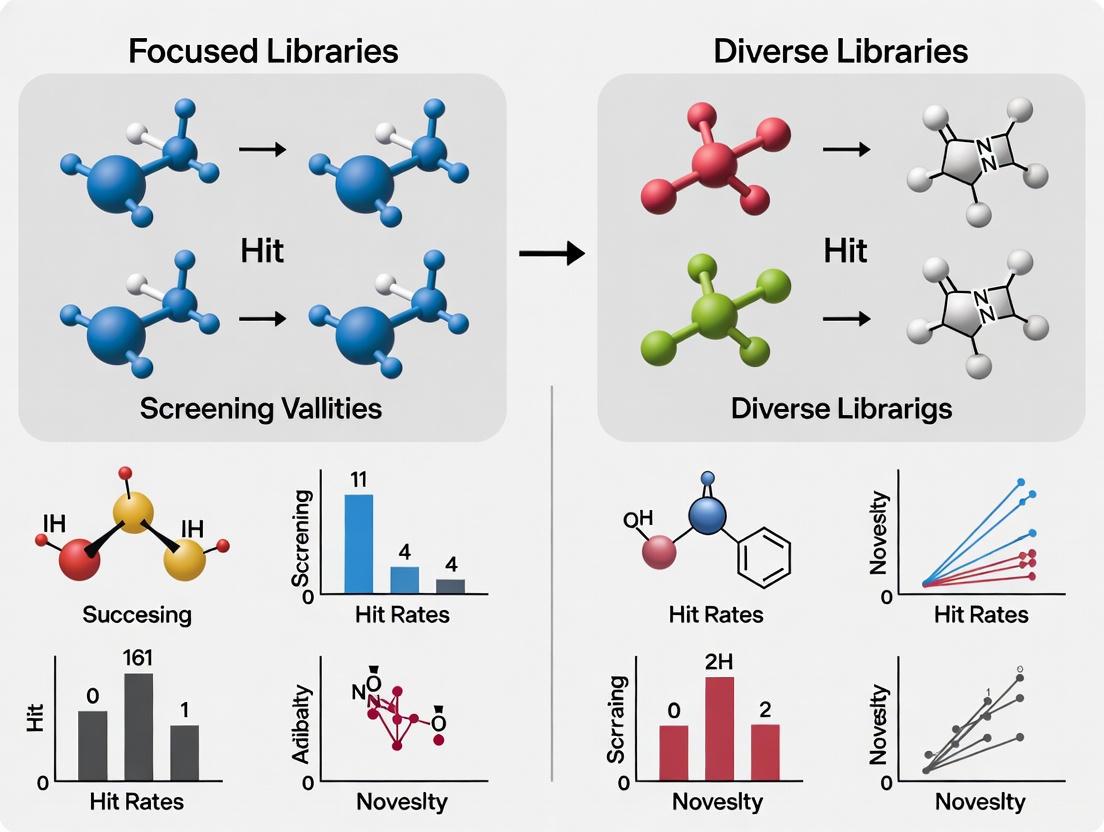
Focused vs. Diverse Libraries for Hit Identification: A Strategic Guide for Drug Discovery
Hit identification is a critical, foundational stage in drug discovery, and the choice of screening library profoundly impacts the campaign's success.
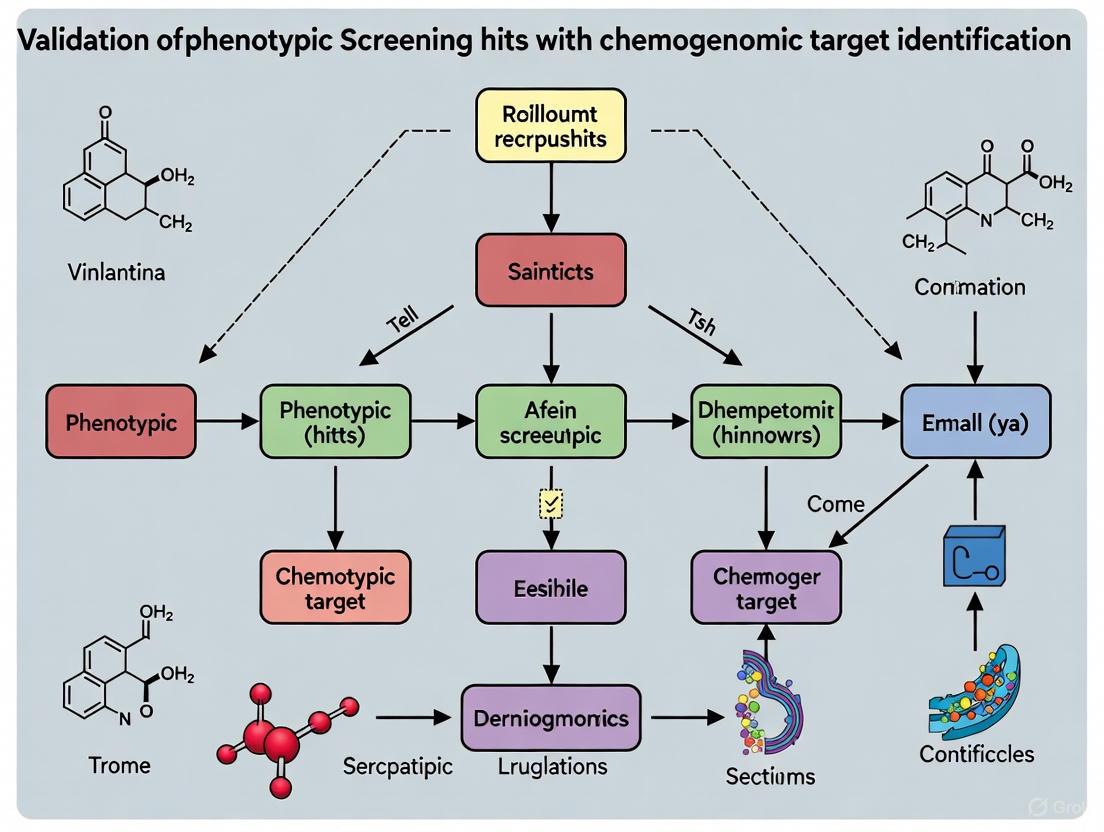
Validating Phenotypic Screening Hits: A Chemogenomic Framework for Target Identification and Deconvolution
This article provides a comprehensive guide for researchers and drug development professionals on integrating chemogenomics with phenotypic screening to validate hits and identify mechanisms of action.
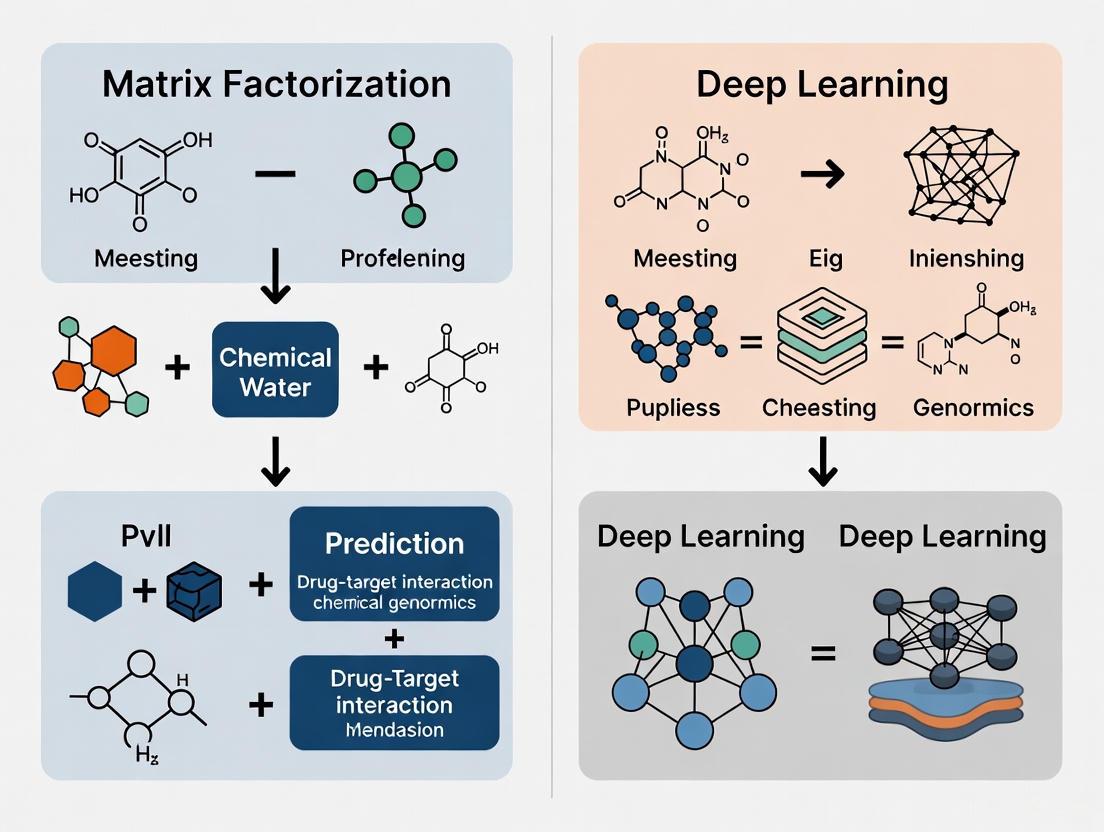
Matrix Factorization vs. Deep Learning: A Comprehensive Guide to Drug-Target Interaction Prediction
This article provides a rigorous comparison of matrix factorization and deep learning methodologies for predicting drug-target interactions (DTIs), a critical task in accelerating drug discovery and repositioning.